Rep. Reichley: Rendell budget passed by House Dems is a 'sham'
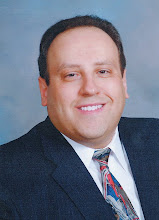
Rep. Doug Reichley (R-Berks/Lehigh), vice chairman of the House Appropriations Committee, released the following statement after Tuesday's passage of House Bill 2279, Gov. Rendell's latest $29 billion red-ink budget proposal:
"It is no coincidence that the budget bill that passed today was voted on exactly 100 days before the June 30 deadline. Unfortunately, the governor and his allies would prefer to pass a bill that does not bear any reality to the financial difficulties faced by many families, businesses and organizations rather than to pass a fiscally responsible spending plan for Pennsylvania. The governor's proposal, passed with unanimous support from House Democrats, spends far more than the state is taking in, exceeding tax revenue by billions of dollars, and relying on deferred payments into state employee and teacher pension funds. Such reckless spending only compounds the problem we are currently facing.
"The governor's budget also unwisely uses a whistling through the graveyard approach by basing his spending plan on receiving $850 million in federal aid for Medical Assistance, the state-administered health care plan for the poor, elderly, and disabled in Pennsylvania. The problem is there is no telling if and when the state will receive those federal funds. The governor and his supporters in the House Democratic Caucus should have learned after seven years of missing budget deadlines that you do not achieve a balanced budget by crossing your collective fingers and wishing for federal aid.
"We need to act now to protect against tax increases in the future. We need to act now with further decreases in state spending. We need to fix foreseeable problems with the state employees and public school employees retirement systems before we reach the tipping point.
"Clearly, the bill that passed today is not the bill that will become law. It's a sham, designed to provide taxpayers with the illusion that the budget process has started in earnest. This is not a real, negotiated, fiscally sustainable budget. We will all end up paying for it, well beyond when the governor leaves office."
Rep. Quigley: Democrats' Budget Built on a House of Cards
State Rep. Tom Quigley (R-Montgomery) issued the following statement on the passage of House Bill 2279, which is Gov. Ed Rendell's proposed budget, minus the taxes Rendell wants to pay for the $29 billion spending plan:
"By relying on yet-to-be-approved federal funds, this legislation builds our budget on a house of cards. We should not allocate $850 million in federal money we only hope to get, but we should focus on the resources we know we have. This budget is the epitome of writing a check the taxpayers might not be able to cash, and it is irresponsible.
"For the past two budget cycles, Pennsylvania outspent its means. We are expected to end the year with a more than half-billion dollar deficit, which is a clear sign that this is not the time to increase spending. This budget calls for a $1.2 billion, or 4 percent, spending increase. Pennsylvania’s families continue to scale back their personal budgets, and this proposed state spending growth is not reflective of our current economy.
"I will continue putting my efforts into examining ways to make state government more efficient, and I am hopeful the Senate will amend this bill with a more realistic spending goal that will shield Pennsylvania families from future tax increases. We need to adopt a budget that is practical and sustainable."
The budget bill passed the House by a vote of 107-89, mostly along party lines, and now goes to the Senate for consideration. Since Republicans hold a 30-20 majority in the Senate, they will likely discard the Rendell/Democratic budget and craft their own spending plan.
Tuesday's House vote was essentially a publicity stunt by House Democrats. March 23 marks 100 days before the constitutional deadline to approve the budget for the 2010-11 fiscal year. You'll recall that the Legislature was 100 days late with in approving the 2009-10 budget.
On March 23, 1775, Patrick Henry delivered an address to the Virginia Provincial Convention in which he is said to have declared, "Give me liberty, or give me death!"
If Patrick Henry were alive today, he probably would have said "Give me liberty, or give me debt!" in response to the trillions of dollars of debt that Barack Obama and Congressional Democrats have piled on the American taxpayer.
For the latest numbers on the National Debt Clock, click here.
Rohrer blasts House Dems for 'fiscally irresponsible' budget
Pennsylvania has spent $4 billion more than it has taken in over the past two years. Unemployment is at the highest level in two decades. The state's business climate continues to sink. Former and current state legislators are being hauled into court on corruption charges.
The "funny money" Barack Obama has sent to states as part of his "stimulus" package will dry up in two years. So what do the Democrats who control the Pennsylvania House do to show they're serious about the state's fiscal mess? They approved a $29 billion budget that is $1.2 billion higher than the current red-ink spending plan. And they have no way of paying for it. The budget the House passed along party-line votes Tuesday does not include any of the tax increases Gov. Ed Rendell proposed as part of the $29 billion budget.
So what is the most expensive state legislature in the country up to? State Rep. Sam Rohrer, an 18-year veteran of the House who is leaving to run for governor, has some thoughts about the state's fiscal woes:
"The current administration has led Pennsylvania down the path to fiscal insolvency," Rohrer said. "The budget approved today by the House is simply a continuation of the fiscally irresponsible practices of the last eight years. It spends too much, disregards financial reality and ignores the wishes of Pennsylvanians."
The budget bill approved today by the House was based on Gov. Ed Rendell's proposal outlined in his February budget address before the General Assembly. The bill calls for a $1.2 billion increase in state spending, which would drive up total state expenditures to in excess of $29 billion.
While the proposal calls for more than $29 billion in state spending, it anticipates only $26.2 billion in state revenues. Rohrer, who serves as the Republican chairman of the House Finance Committee, says the administration's revenue projections are far too optimistic.
"The budget approved today by the House is based on overstated revenues and underestimated costs," Rohrer said. "The state is already facing a half-billion dollar budget deficit for the current year. The administration and House Democrat leaders want to toss another $1.2 billion in spending on top of that through this budget proposal. Realistically, we are facing a $4 billion to $5 billion structural deficit, because that's how much state spending is outpacing our revenues."
Rohrer says revenues are likely to come in close to where they were in 2004 and state spending should be brought in line with where it was back then.
"The current administration cuts a dollar of spending with its left hand and then spends it somewhere else with its right hand," Rohrer said. "That is why state spending has increased by more than $8.6 billion since the administration took office. We need to make real cuts that root out waste, fraud and abuse from state spending initiatives."
Rohrer also argued that by passing the governor's budget proposal, House Democrats were ignoring the will of Pennsylvanians. In a recent Quinnipiac University poll, nearly half (49 percent) of respondents said the governor's budget proposal increases spending "too much." By comparison, only 6 percent of respondents said the governor's spending increase proposal was "not enough."
"Pennsylvanians are tired of lawmakers in Washington, D.C., and Harrisburg who refuse to listen to the people," Rohrer said. "This budget is a slap in the face to the taxpayers who foot the bills around here. They continue to speak out, but their voice was disregarded by the majority in the House of Representatives today."
The budget bill now heads to the Senate, where Republicans hold a 30-20 majority, for consideration.
While everyone's attention is focused on Obamacare, the Pennsylvania House of Representatives on Monday voted 104-85, mostly along party lines, to increase Pennsylvania's debt ceiling by another $800 million.
The vote puts the debt potential for Redevelopment Assistance Capitol Projects (RCAP) at a record $4.25 billion.
Rep. Curt Schroder (R-Chester County) voted against raising the debt and issued the following statement:
"It is the fourth time since Governor Ed Rendell took office that the debt ceiling has been raised," said Schroder. "The amount that Pennsylvania can borrow has shot up by 180 percent. The Commonwealth simply cannot continue to thrust mountains of debt on future generations of Pennsylvanians, particularly when they will also be saddled with massive debt created at the federal level."
As with any loan, the amount needed to pay off the debt is far higher than the amount borrowed. The debt service on RCAP projects in 2002-03 was $65.5 million. With the new debt ceiling now at $4.25 billion, the amount needed annually to cover the new level of borrowing will be $326.7 million - a 400 percent increase.
"In these economic times, we should be looking for ways to cut spending and to do more with less, just as the citizens of this Commonwealth are doing every day," said Schroder. "It is grossly unfair for future generations of taxpayers to be forced to pay for today's wasteful projects favoring the politically well-connected."
The House measure goes to the Republican-controlled Senate.
You knew the day was coming. Everybody knew the day was coming. But nobody has done anything about it. Social Security is taking in less money that it pays out. In some circles, that's called bankruptcy. (And since the government has done such a great job with Social Security, why don't we let the feds run health care, too?)
From The Associated Press:
This year, for the first time since the 1980s, when Congress last overhauled Social Security, the retirement program is projected to pay out more in benefits than it collects in taxes — nearly $29 billion more.
Sounds like a good time to start tapping the nest egg. Too bad the federal government already spent that money over the years on other programs, preferring to borrow from Social Security rather than foreign creditors. In return, the Treasury Department issued a stack of IOUs — in the form of Treasury bonds — which are kept in a nondescript office building just down the street from Parkersburg's municipal offices.
Now the government will have to borrow even more money, much of it abroad, to start paying back the IOUs, and the timing couldn't be worse. The government is projected to post a record $1.5 trillion budget deficit this year, followed by trillion dollar deficits for years to come.
It's a good thing President Obama isn't in the private sector. If he was, the budget he just put forward for the next 10 years just might get him indicted for fraud.
Of all the promises the president made during the 2008 presidential campaign and last year's budget debates, none rings so hollow now as the pledge of "fiscal responsibility."
As a recent nonpartisan analysis by the Congressional Budget Office shows, our current budget path is, to use the euphemism du jour, unsustainable. It will leave a nearly insurmountable mountain of debt and spending to future generations.
Just last year, U.S. public debt totaled $7.5 trillion — a sum equal to all the indebtedness accumulated from our 225 years in existence as a nation. But by 2020, total U.S. public debt will be $20.3 trillion — an increase of 171% in just 10 years.
Read the full story at the Investor's Business Daily Web site.
There really are two Americas, but the divide is not between rich and poor, black and white, Democrat and Republican.
The gap is between the growing governing elite and the working class paying taxes to support the permanent political class.
From a thought-provoking column by Dr. Mark W. Hendrickson, adjunct faculty member, economist, and contributing scholar with The Center for Vision & Values at Grove City College:
The truly revolutionary American idea of government as the servant of the people may be fading away. Many of today’s so-called “civil servants” are a protected, privileged class. While Middle America struggles through a difficult recession, a lot of government employees have lived on the gravy train.
Here are some facts to buttress that assertion:
Since the recession began in 2008, a period during which approximately eight million private-sector workers lost their jobs and millions more saw their income decline, the number of federal employees is increasing at a 7 percent per-year rate and their income is holding up quite nicely. According to the Cato Institute, the average federal worker’s pay and benefits now approximates $120,000 per year, or roughly double the compensation of the average private-sector employee. Factor out the lavish government fringe benefits and look at salary only, and the civil servant is still far ahead: $71,197 vs. $49,935.
During this recession, the percentage of federal employees earning annual base salaries above $100,000 increased from 14 to 19 percent. The number of Defense Department employees being paid more than $150,000 per year increased from 1,868 to 10,100. Before, the Department of Transportation had one employee with a salary above $170,000, but now has 1,690.
Read the full column by The Center for Vision & Values at Grove City College Web site.
The first rule of holes - when you find yourself in a hole, stop digging.
Unfortunately, Gov. Ed Rendell never learned that bit of wisdom.
As of the end of February, Rendell has spent $476.7 million more than the state has taken in for the current fiscal year, which ends June 30. That's called a deficit.
Over the past two fiscal years, Rendell has spent $4 billion more than the state took in. That's called a fiscal catastrophe.
The Pennsylvania Department of Revenue reports that Pennsylvania collected $1.5 billion in General Fund revenue in February, which was $102.3 million, or 6.4 percent, less than anticipated.
Fiscal year-to-date General Fund collections total $16 billion, which is $476.7 million, or 2.9 percent, below estimate, according to the revenue department.
For a breakdown of tax revenues collected, follow the link below:
If the Obama Administration is starting to feel like the movie, "Groundhog Day," you're not far off. After wasting an entire year pushing a government takeover of health care that the majority of Americans oppose, Barack Obama is still peddling the same snake oil.
From Investor's Business Daily:
Health Reform: The linchpin of ObamaCare 2.0 is that 31 million uninsured will be covered at little added cost. But in fact, White House estimates for low costs are based on little more than accounting tricks.
The president's plan "puts our budget and economy on a more stable path by reducing the deficit by $100 billion over the next 10 years — and about $1 trillion over the second decade — by cutting government overspending and reining in waste, fraud and abuse," the White House says on its Web site.
Sound too good to be true? It is.
None of the numbers can be believed. The plan is a result of blatantly dishonest accounting for the real costs of the program, while grossly overstating its benefits. Americans should know the actual 10-year cost is closer to $2 trillion over 10 years, not the $950 billion claimed, when all the actual costs are toted up.
How can there be such a wide gap? Mainly because the president's plan doesn't provide benefits until the second half of the first decade. So it pretends that it will "only" cost $950 billion. But once the program kicks in, the full 10-year cost of benefits will be included — at a real current cost of $2 trillion or more.
Or, as columnist Charles Krauthammer, himself a trained physician, told Fox News' Bill O'Reilly: "It's a trick. The way the Democrats got under (the spending limit imposed by Obama) was by making 98% of the expenditures, the benefits that you and I would get under the bill, occur in the second half of the decade."
If you're looking for an objective look at spending in Pennsylvania, The Commonwealth Foundation is your best source of information.
The Commonwealth Foundation has released two new analyses of the Pennsylvania State Budget.
Pennsylvania State Budget Overview
* Think the state budget is only $29 billion? You might be surprised to learn that the total Pennsylvania operating budget is $66 billion, or $5,300 for every man, woman, and child.
* Think that the state government has a balanced budget, and therefore doesn't borrow like the federal government? Wrong! Pennsylvania state debt is $42 billion, an increase of 78% since Gov. Rendell took office. The state budget now includes over $1 billion on debt payments alone.
* Have you heard that Gov. Rendell has slashed spending to the bone? In reality, he has increased the General Fund budget by 45%, or $9 billion, since taking office, more than double the rate of inflation.
* Think public schools and welfare are underfunded? Under Gov. Rendell, state spending on K-12 education increased 46%, and on Public Welfare by 68%
Rep. Fattah Proposes New Tax To Pay Down National Debt
What's the Democrats solution to paying down the national debt that they've helped create by spending more money than the government takes in? Raise taxes, of course.
Congressman Chaka Fattah (D-PA) today introduced legislation that calls for a penny on every dollar on transactions in the United States economy to be directed to eliminating America's national debt.
I guess it never occurred to Fattah or any other Democrat to just stop spending or cut taxes to jump-start the economy.
From a column by Terence P. Jeffrey posted at CNSNews.com on Obama's reckless spending:
After he signed a law last week authorizing the U.S. Treasury to borrow an additional $1.9 trillion, President Barack Obama delivered a characteristically sanctimonious speech. It was about his deep commitment to frugality.
"After a decade of profligacy, the American people are tired of politicians who talk the talk but don't walk the walk when it comes to fiscal responsibility," he said. "It's easy to get up in front of the cameras and rant against exploding deficits. What's hard is actually getting deficits under control. But that's what we must do. Like families across the country, we have to take responsibility for every dollar we spend."
To put Obama's Olympian hypocrisy in perspective, one need only examine the federal budget tables posted on the White House website by Obama's own Office of Management and Budget.
They reveal these startling facts: When calculated by the average annual percentage of the Gross Domestic Product that he will spend during his presidency, Obama is on track to become the biggest-spending president since 1930, the earliest year reported on the OMB's historical chart of spending as a percentage of GDP. When calculated by the average annual percentage of GDP he will borrow during his presidency, Obama is on track to become the greatest debter president since Franklin Roosevelt.
From a new editorial at Investor's Business Daily:
Is the president right when he says the stimulus kept the U.S. from falling into a depression? No. In fact, too much government tinkering and spending, not too little, has given us the jobless recovery we have now.
Democrats in charge of both the White House and Congress are firing all their guns at once to tout the benefits of the $862 billion stimulus package passed a year ago this week. They've even planned a 35-city tour to support it. Their message?
"One year later, it is largely thanks to the recovery act that a second depression is no longer a possibility," President Obama said Wednesday. The stimulus act has created 2 million jobs, he claimed, predicting 1.5 million more this year from the program.
Is it just a coincidence that the 3.5 million jobs he is claiming is exactly what the White House predicted early last year? We doubt it. But whatever the case, Obama's claims are false.
Start with this: Stimulus didn't save us from an economic cataclysm. Obama himself said so back in March, noting that the economy was "not as bad as we think," and that he was "highly optimistic." It's clear he didn't think we were on the brink of a Depression.
Rep. Quigley questions Rendell call to increase spending
Rep. Tom Quigley (R-Montgomery) released the following statement in response to Gov. Ed Rendell's annual budget address to the Pennsylvania Legislature:
"There were two aspects of the governor's speech that I was in agreement with, including the call to get this budget passed on time and the need to plan for the financial difficulties Pennsylvania will face in years to come. We cannot view our state budgets as documents that address only a single fiscal year, but must craft them with an eye on the future economic health of Pennsylvania.
"I differ with the governor on how best to address the pending funding cliff we face when the federal stimulus money ceases. Pennsylvania can do a better job of controlling spending. The governor is calling for a spending increase of $1.2 billion, while the state is up against a projected $525 million shortfall for the fiscal year. I do not believe such a spending increase is sensible at this time. We have to budget based on the conditions at hand, which means facing the fact that our citizens cannot afford a tax increase and our state cannot afford to raise spending."
Rendell proposes expansion of state sales tax to cover years of deficit spending
It was classic Ed Rendell today as the governor delivered his eighth -- and final -- budget to the Pennsylvania Legislature. Having run out of things to tax, Rendell proposed expanding the state sales tax to cover more items.
Rendell and his lockstep Democrats in the Legislature have repeatedly opposed expansion of the sales tax to cover services when it was attached to a plan to eliminate property taxes. That's what Republican state Rep. Sam Rohrer has been pushing for years.
But now that Rendell has run out of opportunities to raise other taxes, he needs the expanded sales tax to fund his $29 billion spending plan and pay for years of deficit spending.
Despite running up huge deficits in the past two budgets, Rendell wants to increase state spending by $1.1 billion for the 2010-11 fiscal year, which begins July 1.
Rendell wants to pay for the spending by using $1.1 billion in federal stimulus funds, which may or may not be approved by Congress. (Imagine what will happen to "stimulus" handouts when Republicans take back control of Congress in November.)
And Rendell is leaving with a final "up yours" to the taxpayers of Pennsylvania.
Having presided over a massive expansion of state spending over the past eight years -- $9 billion and counting -- Rendell warned lawmakers that Pennsylvania is facing a "fiscal tsunami" -- a potential $5.6 billion deficit from the 2011 expiration of federal stimulus money and the ticking time bomb of public pension obligations.
It's basic economics. You can't spend what you don't have and Rendell (with the Legislature as his accomplice) has been spending money the state doesn't have. The chickens will come home to roost. Unfortunately for Pennsylvania taxpayers, Rendell will have flown the coop.
Rendell wants to reduce the state sales tax rate from 6 percent to 4 percent, but expand it to more than 70 services currently exempt (lawyer and accountant fees, dry cleaning, for example) and items such as firewood, candy, gum, bottled water, magazinies and "personal hygiene" products. (Groceries, clothing and prescription drugs would remain exempt from the sales tax under Rendell's plan).
Rep. Rohrer has proposed a similar plan, but it would lead to the elimination of the state's onerous property tax. Taxpayers would come out ahead under Rohrer's plan. Rendell simply wants more money from taxpayers to cover up his deficit spending.
The state finished with a $3.25 billion deficit for the 2008-09 fiscal year and is looking at a minimum $500 million deficit for the 2009-10 fiscal year.
In addition to expanding the sales tax, Rendell wants to extend the tobacco tax to include cigars and smokeless tobacco products and enact a new severance tax on natural gas extraction.
Will any of these taxes pass? Rendell is not running for re-election. He doesn't care. But all 203 members of the state House and 25 of the 50 members of the state Senate face the voters in 2010. How many of them are going to vote for one of the largest tax increases in Pennsylvania history?
If 'Unsustainable' Is New Normal, Collapse Is Closer Than We Think
Columnist and best-selling author Mark Steyn says Barack Obama doesn't know much about economics, which is not good news considering the shape the U.S. economy is in right now.
From his latest column in Investor's Business Daily:
Obama's spending proposes to take the average Bush deficit for the years 2001-08 and double it, all the way to 2020. To get out of the Bush hole, we need to dig a hole twice as deep for one-and-a-half times as long. And that's according to the official projections of his economics czar, Ms. Rose-Colored Glasses.
By 2015, the actual hole may be so deep that even if you toss every Obama speech down it on double-spaced paper you still won't be able to fill it up. In the spendthrift Bush days, federal spending as a proportion of GDP averaged 19.6%. Obama proposes to crank it up to 25% as a permanent feature of life.
But if they're "unsustainable," what happens when they can no longer be sustained? A failure of bond auctions? A downgraded government debt rating? Reduced GDP growth? Total societal collapse? Mad Max on the New Jersey Turnpike?
Barack Obama and Congressional Democrats are leading us over a cliff.
From Investor's Business Daily:
The proposed budget over the next decade would rack up $45.8 trillion in new spending, $9.1 trillion in deficits and more than $2 trillion in higher taxes on Americans. It will double the national debt held by the public to over $18 trillion, while raising taxes on 3.2 million small businesses and upper-income taxpayers — the very people the administration is counting on to pull us out of recession.
Based on recent estimates, the expected deficits are growing, not shrinking. Last year's proposed budget contained just $7.1 trillion in red ink over 10 years. This year, that's ballooned to $9.1 trillion. Higher spending is responsible for 90% of the increase. Total spending over the decade is expected to swell 54%.
During the decade, spending will average about 24% of GDP — compared with the 20% of GDP that has prevailed since shortly after World War II. This represents a permanent 20% increase in the real size of government — which explains why the number of federal employees has reached 2.15 million, the most ever.
If spending isn't brought under control soon, the U.S. will suffer the fate of all fiscally irresponsible nations — slower economic growth, lower standards of living, shorter lives.
Pennsylvania collected $2.1 billion in General Fund revenue in January, which was $120.2 million, or 5.4 percent, less than anticipated, Acting Secretary of Revenue C. Daniel Hassell announced Monday.
Fiscal year-to-date General Fund collections total $14.5 billion, which is $374.4 million, or 2.5 percent, below estimate, according to Hassell.
The 2009-10 fiscal year began July 1, 2009, but the state Legislature was 101 days late in approving the spending plan.
Pennsylvania has posted deficits for six consecutive months and will finish the fiscal year on June 30, 2010, at least $500 million to $1 billion in the red.
While that's a lot better than the 2009-09 fiscal year, in which the state finished $3.25 billion in the hole, it still shows the fiscal irresponsibility of Gov. Ed Rendell and the current leadership of the Pennsylvania Legislature.
From the Pennsylvania Department of Revenue
Sales tax receipts totaled $790.5 million for January, $49.5 million below estimate. Year-to-date sales tax collections total $4.8 billion, which is $230.7 million, or 4.6 percent, less than anticipated.
Personal income tax (PIT) revenue in January was $1 billion, $51.7 million below estimate. This brings year-to-date PIT collections to $5.3 billion, which is $163.4 million, or 3 percent, below estimate.
January corporation tax revenue of $101 million was $3.2 million below estimate. Year-to-date corporation tax collections total $1.2 billion, which is $4.1 million, or 0.3 percent, below estimate.
Other General Fund revenue figures for the month included $50.4 million in inheritance tax, $9.9 million below estimate, bringing the year-to-date total to $425.7 million, which is $3.3 million below estimate.
Realty transfer tax was $16.6 million for January, $6.6 million below estimate, bringing the total to $178.3 million for the year, which is $3.3 million more than anticipated.
Other General Fund tax revenue, including cigarette, malt beverage and liquor taxes totaled $100.1 million for the month, $2.1 million above estimate and bringing the year-to-date total to $694.8 million, which is $32.3 million above estimate.
Citizens Against Government Waste (the nation's largest nonpartisan, nonprofit organization dedicated to eliminating waste, fraud, abuse, and mismanagement in government) has released its list of nominees for 2009 Porker of the Year.
The six finalists were chosen by CAGW staff from among 12 worthy Porkers of the Month for 2009, and voters are free to pick anyone else they believe deserves this dubious achievement award.
"Porker of the Month" and "Porker of the Year" are dubious honors given to lawmakers, government officials, and political candidates who have shown a blatant disregard for the interests of taxpayers, according to CAGW.
The candidates are:
-- Rep. Russ Carnahan (D-Mo.) - Named July's Porker, Rep. Carnahan was caught on videotape by a vigilant citizen blogger at a town hall meeting held in St. Louis where he grossly misrepresented the costs associated with the controversial healthcare reforms bills under consideration in Congress.
-- Rep. Neil Abercrombie (D-Hawaii) - Named August's Porker, Rep. Abercrombie ranked first in earmarks in the House in fiscal year (FY) 2009 with 44 projects worth $256.8 million; he routinely abuses an already-stretched Pentagon budget to reward favored contractors and supports funding a wasteful and unnecessary alternate engine for the Joint Strike Fighter.
-- House Financial Services Committee Chairman Barney Frank (D-Mass.) - Named March's Porker, Chairman Frank had expressed outrage over reports that insurance giant and TARP recipient AIG had distributed millions in bonuses to its executives. The Chairman has made ample contributions to the nation's current economic meltdown, spending years defending the activities of Fannie Mae and Freddie Mac and once telling The New York Times that the companies were not facing "any kind of financial crisis."
-- Sen. Kay Bailey Hutchison (R-Texas) - Named October's Porker, the four-term Texas senator claims to be a fiscal conservative, but requested 149 projects worth $1.6 billion for authorization and appropriations bills for fiscal year 2010, exemplifying the tiresome hypocrisy of some members of Congress who claim the badge of fiscal conservatism while continuing to abscond with billions of dollars in pork.
-- Transportation Secretary Ray LaHood - Named January's Porker, the then newly-minted Transportation Secretary and long-time porker in the House was about to preside over the distribution of tens of billions of tax dollars for transportation projects in the stimulus package passed in February, 2009.
-- Rep. Maxine Waters (D-Calif.) - Named June's Porker, Rep. Waters provoked a tussle with House Appropriations Committee Chairman David Obey (D-Wis.) over her intention to obtain an earmark for the Maxine Waters Employment Preparation Center, a facility within the Los Angeles school system, reminding taxpayers that members of Congress still have not banned the practice naming projects after themselves.
State employee pension systems are facing severe shortfalls, and these growing liabilities threaten to drive many states deeper into the red, according to "State Pension Funds Fall Off a Cliff," a new 50 state study co-authored by Dr. Barry Poulson of the University of Colorado and Dr. Arthur P. Hall of the University of Kansas.
The report, published by the American Legislative Exchange Council, the nation's largest individual membership association of state legislators, shows that as of 2006, states have accumulated nearly $360 billion in unfunded pension obligations.
The problem has gotten much over the past three years as politicians on both sides of the aisle have stuck their head in the sand instead of dealing with the ticking time bomb.
Pennsylvania is among the states that has swept the pension issue under the rug, especially over the past seven years under Gov. Ed Rendell. The ALEC report says Pennsylvania had $14.4 billion in unfunded pension liabilities on top of $8.8 billion in state debt. And keep in mind that these are 2006 figures.
Follow the link below for more information and a link to download the full report.
The governor has informed the state Legislature he will furlough nearly 1,000 state workers unless the Legislature approves the legalization of table games at Pennsylvania slot parlors by the end of this week.
The list of furloughs includes 112 positions with the State Police and 299 workers from the state Corrections Department. (You know Rendell is blowing smoke when he puts public safety at risk to get his way on expanded gambling).
The problem is that when the Legislature and Rendell agreed to a budget deal after a 101-day impasse, the agreement included the expansion of gambling, which would bring in $250 million needed to "balance" the 2009-10 General Fund budget. I put "balance" in quotes because the state has already run up a $254 million deficit after six months and there's no way the current budget will balance by June 30.
The Democratic-controlled state House has been debating expanded gambling for months, but Democratic leaders do not have enough vote to pass the controversial expansion bill.
Below is a copy of the memo the Rendell Administration has released, outlining the number of jobs to be cut from each department:
TO: Cabinet Secretaries and Agency Heads
FROM: Naomi Wyatt, Secretary of Administration DATE: January 5, 2010 RE: Furlough information
This memo is a follow-up to Steve Crawford's December 22, 2009, memo regarding furlough planning.
To be prepared in the event a gaming bill is not enacted, enclosed is a list that provides each of you with a furlough target for your agency. The list was developed by spreading 1,000 furloughs proportionally across all agencies' general fund complement as of December 11, 2009. (Federal, restricted, billed, and special fund complement was excluded; split-funded complement was included.)
Please begin developing a plan to implement the furloughs associated with your agency. Your plan should anticipate that furloughs could occur before the end of January. We will schedule a meeting in early January to provide additional details and information.
(Note: the number of proposed furloughs is followed by the number of full-time equivalent of General Fund positions):
Corrections: 299 (out of 15,436 positions) Labor & Industry: 6 (out of 288 positions) Military & Veterans Affairs: 38 (out of 1,914 positions) General Services: 20 (out of 1,060 positions) Education: 6 (out of 305 positions) Revenue: 31 (out of 1,620 positions) Dept. of State: 2 (out of 93 positions) State Police: 112 (out of 5,772 positions) Public Welfare: 333 (out of 17,244 positions) Community & Economic Development: 5 (out of 299 positions) Probation & Parole: 22 (out of 1,090 positions) Historical & Museum Commission: 4 (out of 186 positions) PA Emergency Management Agency: 2 (out of 111 positions) Environmental Protection: 31 (out of 1,647 positions) Conservation & Natural Resources: 24 (out of 1,281 positions) PA Securities Commission: 1 (out of 76 positions) Health: 19 (out of 992 positions) Agriculture: 7 (out of 368 positions) Insurance: 4 (out of 246 positions) Executive Offices: 28 (out of 1,463 positions) Governor's Office: 1 (out of 58 positions)
Half-way through the 2009-10 fiscal year, Pennsylvania has recorded a $254.2 million budget deficit.
While the red ink isn't flowing as much as it did for the 2008-09 fiscal year, in which the state ran up a $3.25 billion deficit, it appears Gov. Ed Rendell and the Pennsylvania Legislature will be dealing with another deficit when the current fiscal year ends on June 30.
You might be wondering how Gov. Rendell and the Legislature manage to circumvent the Pennsylvania Constitution, which mandates a balanced budget (Article VIII, Section 13 (a) Operating budget appropriations made by the General Assembly shall not exceed the actual and estimated revenues and surplus available in the same fiscal year.) It appears the Constitution is optional with the current leadership in Harrisburg.
The Pennsylvania Department of Revenue on Monday released the December tax collection numbers, showing a deficit for the sixth consecutive month of the current fiscal year.
Pennsylvania collected $2 billion in General Fund revenue in December, which was $37.2 million, or 1.8 percent, less than anticipated, according to Acting Secretary of Revenue C. Daniel Hassell.
Fiscal year-to-date General Fund collections total $12.4 billion, which is $254.2 million, or 2 percent, below estimate, Hassell said.
More from the December revenue report
Sales tax receipts totaled $627.3 million for December, $39.1 million below estimate. Year-to-date sales tax collections total $4 billion, which is $181.1 million, or 4.4 percent, less than anticipated. Personal income tax (PIT) revenue in December was $707.3 million, $6.2 million below estimate. This brings year-to-date PIT collections to $4.3 billion, which is $111.7 million, or 2.5 percent, below estimate.
December corporation tax revenue of $377.1 million was $28.7 million below estimate. Year-to-date corporation tax collections total $1.1 billion, which is $900,000, or 0.1 percent, below estimate.
Other General Fund revenue figures for the month included $74.2 million in inheritance tax, $11.3 million above estimate, bringing the year-to-date total to $375.3 million, which is $6.6 million above estimate.
Realty transfer tax was $29.1 million for December, $7.8 million above estimate, bringing the total to $161.8 million for the year, which is $10 million more than anticipated.
Other General Fund tax revenue, including cigarette, malt beverage and liquor taxes totaled $132.3 million for the month, $13.3 million above estimate and bringing the year-to-date total to $594.7 million, which is $30.2 million above estimate.
Non-tax revenue totaled $36.3 million for the month, $4.5 million above estimate, bringing the year-to-date total to $1.9 billion, which is $7.2 million below estimate.
For more revenue figures, click on the link below:
Allied Van Lines has released its 42nd Annual Magnet States Report, which tracks where people are moving to and from across the United States.
Texas is the No. 1 destination spot in U.S. for fifth year in a row, followed by Arizona and North Carolina.
Pennsylvania is No. 3 on the list of "outbound" states. In other words, more people leave Pennsylvania than move into the state. This is not a new trend. It's been occurring ever since Gov. Ed Rendell and his allies in Harrisburg started raising taxes and running up huge deficits.
From the Allied Van Lines report:
Michigan experienced the highest net relocation losses (more outbound than inbound shipments), followed by Illinois, Pennsylvania, New Jersey and California. A troubled auto industry and housing market most likely continued to negatively affect relocations to Michigan, as Allied Van Lines' outbound shipments of 2,210 were about double its inbound shipments of 1,019 for the state. Illinois experienced the second largest net relocation loss with 942 more outbound than inbound moves, closely followed by Pennsylvania with a net relocation loss of 854, and California with a loss of 459.
The Democrats' Dirty Dozen Debacles of 2009 A Year-in-Review of Democrat-Controlled Government
The Republican Study Committee released the following list of disappointments from 2009, documenting the 12 most destructive actions, policies, and events of the past year:
1) January 22: Obama Announces Closure of Guantanamo Bay Detention Facility In one of the first actions of his presidency, President Obama declared that international appeasement trumps common sense security by signing executive orders to shutter Gitmo. The facility has been used since 2002 to detain enemy combatants who pose a national security threat. As we learned on Christmas Day, releasing those held at Gitmo, as the President seeks to do, is a significant threat to the safety of the American people.
2) January 23: President Repeals Mexico City Policy, Freeing Up Tax Dollars for Overseas Abortions In a blatant flip-flop from the campaign trail, the President continued his use of the executive order, this time to funnel U.S. tax dollars to abortion providers overseas. As a candidate the President said he sought to reduce the number of abortions; instead, he put taxpayers on the hook for abortions outside our borders.
3) February 17: President Obama Signs the So-called "Stimulus" With promises of millions of jobs "saved or created" and unemployment under 8%, the President shackled generations of Americans to reckless spending by signing a 1.1 trillion dollar package of political pet projects and misguided fiscal policy. As Republicans predicted, the so-called stimulus has done nothing but stimulate unemployment, debt, and bigger government.
4) April 2: House Passes Budget that Borrows, Taxes, and Spends Too Much Casting aside even the appearance of fiscal restraint, Democrats passed a budget resolution that proposed a record deficit in every year and would likely put a balanced budget out of touch for more than a generation. The smallest budget deficit over the next ten years is a stunning 28% higher than the previous record deficit.
5) April 17: Administration Releases Interrogation Memos Opening the U.S. counter-terrorism playbook to our enemies and the world, the Justice Department released documents detailing the methods our intelligence community uses to extract intelligence from terror suspects. This action set the stage for a year full of CIA politicization, most notably when the Speaker of the House called the CIA liars with no justification.
6) June 1: White House Buys Car Company In what represents the culmination of the new political economy, in which Washington, not markets, picks winners and losers, the administration upped its investment to $50 billion and took a 60 percent stake in auto giant GM. It's become clear that taxpayers will not be seeing their money back any time soon, if ever.
7) June 26: National Energy Tax Passes the House After twisting and perhaps breaking enough arms, Democrat leaders cobbled together the votes needed to pass a massive national energy tax that would cripple the American economy. The bill contains 397 regulations and 1,060 government mandates, is projected to cost American families more than $3,000 a year and would reduce employment by more than a million jobs.
8) October 28: Unconstitutional Thought Crimes Law Hitches Ride on Defense Bill With truly stunning cynicism for our military, the President enacted a law that puts justice for one classification of people before others by attaching it to a bill that is supposed to provide resources for our men and women in uniform. The bill was a grave abuse of both policy and procedure.
9) November 17: House Passes a Government Takeover of Health Care With more than three dozen brave Democrats joining Republicans in opposition, Democrat leaders in the House rammed through a massive government intervention into the health care system that has been completely rejected by the American people. The package is chock full of government decision-making, huge tax hikes, slashes to Medicare without real reform, limited access to care, and cost increases for American patients.
10) December 1: Obama Delays and Then Tips Our Hand on Afghanistan After his top commander said resources were needed and time is of the essence, the President "deliberated" for nearly three months on the way forward in Afghanistan. When he finally made his decision, he somehow managed to declare the beginning and the end of a new operation at the same time.
11) December 24: The Integrity of the Senate Put On the Auction Block In an historic disgrace to the great legislators who have graced the Senate before him, Majority Leader Reid engaged in a brazen operation of political bribery to pass a health care bill that is growing less popular by the day. The handouts that greased the skids to pass the government takeover of healthcare on Christmas Eve will surely haunt this Congress for decades to come.
12) All year long: Missed Opportunity to Work Together and Change the Tone Despite hollow speeches and faux sincerity, Democrats set forth one of the most partisan and opaque agendas in American history. Rejecting Republican input, and shutting the minority out of the legislative process in an unprecedented manner, Democrats jammed nearly all of their major proposals through the House on near party line votes, often only releasing legislation just hours before it came to the floor. The American people were looking for a new day, however what they saw was old Washington (and Chicago) on overdrive and a government that is not responsive to the American people.
Obama signs debt ceiling increase to $12.4 Trillion
How high will the U.S. deficit go? Depends on how long Democrats stay in power. If you'd like to bury your children and grandchildren in debt, keep voting Democrats back into Congress. If you think it's time to stop the madness, vote Republican in 2010.
From Reuters:
Obama Signs U.S. Debt Limit Increase Into Law
WASHINGTON - President Barack Obama on Monday signed into law an increase in the U.S. national debt limit to $12.4 trillion, the White House said in a statement.
Congress approved an increase in the debt limit from $12.1 trillion on Thursday, winning two more months of funding for a record U.S. deficit as Obama tries to stimulate economic growth after the country's worst recession in 70 years.
Critics say Democrat Obama is making the deficit worse, but the White House blames the recession and unfunded cuts in taxes and prescription drug aid, which were all inherited from his Republican predecessor George W. Bush.
The U.S. government posted a record $1.4 trillion deficit in the fiscal year ended September 30 and is on track during the current fiscal year to spend at least $1 trillion more than it collects.
The debt has more than doubled since 2001, thanks to wars in Iraq and Afghanistan, tax cuts and the recession, which has caused tax revenues to plunge and safety-net spending to rise.
If the growing national debt of $12.4 trillion doesn't scare you, add the cost of unfunded liabilities (currently $62.9 trillion) to that total and you'll get a sense of how close this country is to declaring bankruptcy under the free-spending Democrats.
From CNSNews.com:
While Congress has voted to raise the national debt ceiling to $12.4 trillion, the Government Accountability Office (GAO) has reported that the federal government's unfunded liabilities – the costs of promised benefits through Social Security, Medicare, Medicaid, and several other programs – total $62.9 trillion in today's dollars.
When asked about these costs and the government's entitlement promises to the American people, House Minority Leader John Boehner (R-Ohio) told CNSNews.com that it is "irresponsible" for the federal government to continue to spend money it does not have and that this issue will be the “most important thing” Congress will discuss next year.
"I said on the floor last night, American families can't spend more than what they bring in for 36 of the last 40 years," Boehner told CNSNews.com at his weekly briefing. "No business in America can exist that spends more than it brings in for 36 of the last 40 years, and certainly, our government can't continue to exist if we continue to spend money that we don't have."
Newspaper: Obama/Pelosi 'stimulus' the costliest fiscal failure in U.S. history
From Investor's Business Daily:
This year's $787 billion "stimulus" is now the costliest fiscal failure in U.S. history. Put bluntly, it didn't work — in fact, it made things worse. So what do you follow it up with? Why, "Stimulus, Part II."
Government is by its very essence wasteful, but it doesn't have to be stupid. Yet, with more than a year's experience under our belt and no real progress seen in ending our jobless recovery, you'd think Congress would be hesitant to pass another big-spending, job-killing failure like the last.
On Thursday, however, the House passed another $175 billion "jobs" bill. Given what we know, this is an act of either total ignorance or breathtaking political opportunism — or a bit of both.
It amounts to a third round of stimulus. In 2008, President George W. Bush tried one, handing out some $152 billion — a bit under 1% of GDP — to Americans and inviting them to spend it to get the economy growing again. Instead, they saved it or paid down credit cards.
This year's mammoth stimulus, we were assured by the Obama White House, would be different. It would cap unemployment at 8% and kick-start the economy. But the unemployment rate soared above 10%, and we've lost 4 million jobs this year alone.
So it's no longer debatable: Based on what was promised, the stimulus has failed. Even so, we now may get another one (called a "jobs bill" this time), which no doubt will be just as wasteful.
While millions of Americans struggle with unemployment and declining wages, Uncle Sam is paying big salaries to federal workers.
From The Washington Examiner:
While many workers in the private sector have despaired of a pay increase in the past few years, Congress takes care of federal employees with annual raises, awarding 3.9 percent in 2009, 3.5 percent in 2008 and 2.7 percent in 2007.
The average pay for the nation's 1.9 million federal workers is a little over $71,000, with the 372,041 federal workers in the Washington area earning an average of $94,047. The average salary for the nation's 108 million private-sector workers is $50,028.
While the proposed pay increase for next year is relatively small, the boost combined with an increase in federal government salaries amid a looming budget deficit crisis and the nation's 10 percent unemployment rate managed to raise some eyebrows.
"I about fell off my chair when I saw that the number of federal employees making more than $150,000 have more than doubled in the last 18 months," said Rep. Jason Chaffetz, a Utah Republican. "While the American people are hurting, the federal government is padding its pocket. This is totally inappropriate and unacceptable."
The honor just keep pouring in for Federal Reserve Chairman Ben Bernanke. On the same day he was named Time magazine's 2009 Person of the Year, Bernake was also selected 2009 Villain of the Year by the National Inflation Association.
The Association is a citizen watchdog group that is concerned about the growing threat of hyper-inflation due to unchecked spending by the federal government and the uncontrolled printing of money by the Fed.
While the far-left staff at Time magazine thinks Bernanke helped prevent a second Great Depression, the folks at the National Inflation Association believe Bernanke has sown the seeds of a massive collapse of the U.S. dollar and the world economy.
When it costs $20 for a gallon of milk in a few years, Americans will have nobody to thank more than Bernanke, the Association says.
Who's right? My money (for what it's worth) is on the National Inflaton Association.
The U.S. government's unprecedented spending splurge, with no end in sight, is creating a mountain of debt that endangers both our economy and way of life. Can something be done about it?
Anyone who reads IBD knows we're not doomsayers. Sometimes, in fact, we've been chided for cockeyed optimism in the face of even the gloomiest prognostications. Our faith in America's resilient economy, the world's largest and most creative, and in the productive people who make it go, was reason enough.
That said, we face a rather stark fact today: The current path for U.S. debt is unsustainable.
Our $14 trillion economy is more than three times bigger than the next largest in the world. But our debt will soon surpass even the bloated level of WWII, when we were literally fighting for our lives and freedoms with a weak economy struggling to emerge from the Great Depression.
In just the last year alone, according to a report this week from the Committee for a Responsible Federal Budget (CRFB), total U.S. public debt has jumped to $7.6 trillion, or 53% of GDP, from $5.7 trillion, or 41% of GDP.
Sen. Bayh: Democrats 'totally out of touch with the sacrifices middle-class Americans are making'
From POLITICO:
Sen. Evan Bayh – who joined Sens. Claire McCaskill (D-Mo.) and Russ Feingold (D-Wis.) in breaking from their party to oppose the bill – said in a statement Monday that Washington politicians "are totally out of touch with the sacrifices middle-class Americans are making."
Last time I checked, Sen. Bayh, Democrats were in control of both Houses of Congress and the White House. So I'm guessing your reference to "Washington politicians" is a shot at your fellow Democrats.
The number of federal workers earning six-figure salaries has exploded during the recession, according to a USA TODAY analysis of federal salary data.
Federal employees making salaries of $100,000 or more jumped from 14% to 19% of civil servants during the recession's first 18 months — and that's before overtime pay and bonuses are counted.
Federal employees making salaries of $100,000 or more jumped from 14% to 19% of civil servants during the recession's first 18 months — and that's before overtime pay and bonuses are counted.
The United States is running out of money to pay its bills. So what do the Democrats have in mind? Print more money, of course.
From POLITICO:
In a bold but risky year-end strategy, Democrats are preparing to raise the federal debt ceiling by as much as $1.8 trillion before New Year's rather than have to face the issue again prior to the 2010 elections.
"We've incurred this debt. We have to pay our bills," House Majority Leader Steny Hoyer told POLITICO Wednesday. And the Maryland Democrat confirmed that the anticipated increase could be as high as $1.8 trillion — nearly twice what had been assumed in last spring's budget resolution for the 2010 fiscal year.
The leadership is betting that it's better for the party to take its lumps now rather than risk further votes over the coming year. But the enormity of the number could create its own dynamic, much as another debt ceiling fight in 1985 gave rise to the Gramm-Rudman deficit reduction act mandating across-the-board spending cuts nearly 25 years ago.
Pennsylvania continues to spend more than it takes in.
For the fifth month in a row in the 2009-10 fiscal year that began July 1, the state spent more than it collected in tax revenues, resulting in a cumulative shortfall of $217 million at the end of November.
While the deficit spending is below last year's pace (when Gov. Ed Rendell and the Legislature spent $3.25 billion more than the state took in), it's clear the state is headed for another budget deficit.
The Pennsylvania Department of Revenue reported Tuesday that Pennsylvania collected $1.6 billion in General Fund revenue in November, which was $56.8 million, or 3.4 percent, less than anticipated.
Fiscal year-to-date General Fund collections total $10.4 billion, which is $217 million, or 2 percent, below estimate, according to Secretary of Revenue Stephen H. Stetler.
The two biggest sources of revenue, the sales tax and the personal income tax, came in below estimate in November.
From the Revenue Department:
Sales tax receipts totaled $609.1 million for November, $52.7 million below estimate. Year-to-date sales tax collections total $3.3 billion, which is $142 million, or 4.1 percent, less than anticipated.
Personal income tax (PIT) revenue in November was $705.4 million, $21.2 million below estimate. This brings year-to-date PIT collections to $3.6 billion, which is $105.5 million, or 2.9 percent, below estimate.
Other General Fund revenue figures for the month included $58.3 million in inheritance tax, $600,000 above estimate, bringing the year-to-date total to $301.1 million, which is $4.7 million below estimate.
Realty transfer tax was $24.4 million for November, $4.5 million above estimate, bringing the total to $132.6 million for the year, which is $2.1 million more than anticipated.
Other General Fund tax revenue, including cigarette, malt beverage and liquor taxes totaled $108.5 million for the month, $4.6 million above estimate and bringing the year-to-date total to $462.3 million, which is $16.8 million above estimate.
Group Launches Drive for Balanced Budget Amendment
I applaud the efforts of the group Deficit Free to push for a Balanced Budget Amendment, but with Obama and Congressional Democrats spending money faster than the government can print it, it may be a lost cause.
The only way to stop the bankruptcy of the United States is to vote out every Congressional Democrat in 2010.
In case you're wondering which Pennsylvania members of Congress supported the Pelosi Health Care Bill, which will raise taxes and put your family's current health care coverage at risk, see the list below.
If you see any of the names on a ballot next May or November, vote for the other person:
Robert Brady (D-PA-1) Chaka Fattah (D-PA-2) Kathy Dahlkemper (D-PA-3) Joe Sestak (D-PA-7) Patrick Murphy (D-PA-8) Christopher Carney (D-PA-10) John Murtha (D-PA-12) Paul Kanjorski (D-PA-11) Allyson Schwartz (D-PA-13) Mike Doyle (D-PA-14)
The Joint Economic Committee (JEC) House Republican staff, which earlier this year created a chart mapping the bureaucratic complexity of Speaker Nancy Pelosi's original health care proposal (H.R. 3200), has combined similar analysis by the House Republican Conference with the earlier chart. The analysis details new additions to the health care bureaucracy contained in the new version of the Speaker's bill (H.R. 3962) that were not previously listed. Let's just say the Speaker's vision for government-run health care hasn't gotten any simpler.
"This is the blueprint for a taxpayer-funded mega-bureaucracy," Boehner said "The new chart is an astonishing and unsettling glimpse of the future that awaits American health care, should H.R. 3962 be passed by the House and signed into law."
The chart, completed at the direction of Rep. Kevin Brady (R-TX), the committee's ranking House Republican Member, shows that the Pelosi plan has grown even more complex in the months since it was originally unveiled by congressional Democrats.
NEWS FLASH: Pa. Legislature sends $27.8B budget to Rendell
It took 101 days into the new fiscal year, but the country's most expensive state legislatures has finally agreed on a budget for 2009-10.
From Marc Levy of The Associated Press:
A $27.8 billion state budget was on its way to the desk of Gov. Ed Rendell following a lopsided vote of approval from the Senate — a giant step toward ending Pennsylvania's 101-day budget stalemate, the nation's longest this year.
The 42-7 Senate's vote followed House approval on Wednesday.
The Senate voted without debate moments after signing off on a companion bill to tap more than $1.5 billion from the state's reserves. That bill still awaited House approval.
Rendell has said he would sign the appropriations bill, but it was unclear whether he would do so before the House passes the companion bill.
The appropriations bill cuts overall spending by more than 1 percent, while boosting spending on operations and instruction in public schools by $300 million, or 5.7 percent, a level that Rendell insisted upon.
The politically divided Legislature has been stymied by how to resolve a multibillion-dollar, recession-driven shortfall.
The final agreement relies on a blend of federal budget aid, transfer from reserve funds, spending cuts and nearly $500 million in new taxes on sales of cigarettes, little cigars and businesses that pay the capital stock and franchise tax.
The plan also relies on legalizing and taxing table games at the state's slot-machine casinos and leasing more state forest land to natural gas exploration companies.
State Rep. Curt Schroder (R-155th Dist.) voted against the long-awaited state budget that passed by a 107-93 vote in the House on Thursday.
Schroder offered the following statement on his vote:
"I could not vote for this bill. Like last year's budget, it contained inflated revenue projections and relied too heavily on stimulus funding and one-time revenues. By passing this legislation, the House is making the same mistake it made a year ago that resulted in a $3.5 billion revenue shortfall.
"This budget drains the state's Rainy Day Fund and the Health Care Providers Retention Fund. Without these critical reserve accounts we will be unable to cushion an expected revenue shortfall next year. It also, for the first time, dips into the principal reserves in the tobacco settlement fund. With revenues already $140 million below projections for the year, I believe we will face another deficit next June.
"The House Republicans had proposed a budget that is slightly leaner, balanced, did not raise taxes, funded essential state programs and services, and ensured that the state would live within its means, but it was not considered by the Democrat leadership in the House. Instead, we were forced to consider a budget bill that raises taxes by more than $1 billion during a recession.
"On the bright side, we prevented an increase in the Personal Income Tax, sales tax, taxes on small games of chance and the arts, among others."
The measure goes back to the Senate for concurrence on House amendments to the bill.
Gerlach: PA budget impasse a 'national embarrassment'
Jim Gerlach, a Republican candidate for governor, said on Thursday that Pennsylvania's broken budget process has become a national embarrassment.
On the 100th day of the state's budget impasse, Gerlach said this would never happen if he was sitting in the governor's mansion.
"We do not need to waste any more time playing political games and pointing fingers," Gerlach said in a written statement. "This dysfunctional process has resulted in a 100-day delay in enacting a budget. The Harrisburg culture of putting self-interest ahead of the public interest must end. The families of Pennsylvania understand the importance of paying your bills on time and not spending more than you can afford. For far too long Harrisburg has ignored these basic principles.
"That's why I was the first candidate for governor to propose moving to a a two-year budget cycle to cut costs, increase accountability and avoid the annual budget soap opera, which for the last seven years has resulted in increased government spending and higher taxes. And we must stop rewarding politicians in Harrisburg for failure. If the state cannot meet the Constitutional requirement of enacting a budget by July 1st of each year, then the Governor, his Cabinet and lawmakers should lose a day's pay for every day the fail to pass a budget."
In September, Gerlach released a 17-point "Pledge to Pennsylvania" that is a contract to protect taxpayers and send a very clear message that the days of rewarding failure, ignoring runaway spending and tolerating a lack of accountability in Harrisburg are over.
The entire "Pledge to Pennsylvania" is available at his campaign Web site, www.gerlachforpa.com
Rep. Curt Schroder (R-155) issued a press release late Friday stating that it appears Gov. Ed Rendell and certain House and Senate leaders are repeating the mistakes in the tentative state budget agreement that got Pennsylvania in the financial mess it is in now.
From Schroder's release:
"This budget does not solve our problems," said Schroder. "It increases spending, relies on one-time revenues and taxes businesses and citizens at a time they can least afford it. Passage of this budget will ensure another budget fiasco next year."
On Sept. 18, Gov. Ed Rendell and three of the four legislative caucuses reached a tentative $27.9 billion state budget agreement without the participation of the House Republicans, who several weeks ago, put forth their own $27.5 billion plan. The Republican plan cut spending below last year's level, did not raise taxes, covered essential government services, provided increased funding for education and preserved the state's Rainy Day Fund. Further, the plan was balanced and sustainable, but House Democrats, who hold the majority and therefore the control in the House, refused to consider it. Instead, House Republicans were left out of the budget process.
"Three months into the new fiscal year, Pennsylvania is the only state without a budget, and the budget being proposed calls for increased spending in a down economy. Ironically, it is awash in walking-around-money or WAMs," said Schroder. "This budget proposal cuts funding for libraries, social services and education. To include grants for legislators' pet projects is an affront to every group getting its funding slashed. It taxes museums, concerts and other cultural events, cigarettes and small games of chance. It expands gambling and drains the Rainy Day Fund, which leaves us without money to cover essential services should we come up short again next year.
"The most disturbing thing is the stealth, secretive way this deal was reached. We will be asked to vote on this deal within days, yet we have not seen the line-item details," said Schroder. "As I see it, the proposed budget will only serve to prolong the pain being experienced by Pennsylvania citizens, and it offers little hope for economic recovery anytime soon," he said.
Rendell, Legislature keep digging a deeper hole for PA
The first rule of holes: When you're in one, stop digging.
While Gov. Ed Rendell and the Pennsylvania Legislature are still trying to figure out what to do about last year's $3.25 billion budget deficit, Pennsylvania is facing another financial disaster for 2009-10.
Revenue collections for the first three months of the new fiscal year have fallen short of projections. That's a fancy way of saying Pennsylvania is headed for another fiscal crisis -- even while elected officials struggle to get the state out of the mess they created last year.
Pennsylvania collected $2.1 billion in General Fund revenue in September, which was $118.6 million, or 5.5 percent, less than anticipated, according to Revenue Secretary Stephen H. Stetler. Fiscal year-to-date General Fund collections total $5.3 billion, which is $140.6 million, or 2.6 percent, below estimate, Stetler reported.
Tax revenues from the state's two biggest sources of income fell short for the third consecutive month of the new fiscal year, adding to the 12-month decline in the 2008-09 fiscal year.
From the Department of Revenue's September Collection Report:
Sales tax receipts totaled $633.4 million for September, $38.8 million below estimate. Year-to-date sales tax collections total $2 billion, which is $52.2 million, or 2.5 percent, less than anticipated.
Personal income tax (PIT) revenue in September was $835.4 million, $69.5 million below estimate. This brings year-to-date PIT collections to $2.2 billion, which is $97.9 million, or 4.3 percent, below estimate.
The only bright spot is September's corporation tax revenue collections of $403.9 million, which was $5.6 million above estimate. Year-to-date corporation tax collections total $541.4 million, which is $7.3 million, or 1.4 percent, above estimate.
More from the Revenue Department:
Other General Fund revenue figures for the month included $59.1 million in inheritance tax, $3.4 million below estimate, bringing the year-to-date total to $181.6 million, which is $6.1 million below estimate.
Realty transfer tax was $23.5 million for September, $1.5 million below estimate, bringing the total to $82.2 million for the year, which is $3.7 million less than anticipated.
Other General Fund tax revenue, including cigarette, malt beverage and liquor taxes totaled $85.4 million for the month, $7.2 million below estimate and bringing the year-to-date total to $259.4 million, which is $1.2 million above estimate.
Non-tax revenue totaled $9.8 million for the month, $3.7 million below estimate, bringing the year-to-date total to $52.1 million, which is $10.8 million above estimate.
Click on the link below to view the full September report:
Inflation Could Spell End of U.S. Financial System
This is scary stuff. If the policies of Barack Obama and Congressional Democrats are not stopped, we will see the collapse of the United States.
From the National Inflation Association:
It took 25 years for our national debt to double from $257 billion in 1950 to over $533 billion in 1975. Most recently, our national debt has more than doubled from $5.8 trillion in 2001 to its current level of $11.8 trillion in just eight years. Our national debt is now growing three times faster that it did decades ago, which means we should expect a very minimum of three times faster inflation.
The Commonwealth Foundation has launched a new Web site and public service campaign called BankruptingPA to educate taxpayers about "wild and unaccountable government spending."
The Foundation is looking for feedback to help it choose the most effective message and imagery to make this effort as successful as possible, says Commonwealth Foundation CEO Matthew J. Brouillette.
Visit the new Web site at www.BankruptingPA.com, click on the "VOTE" buttons n the right side of the page and leave comments or criticisms.
"Time is of the essence. Please help us ensure BankruptingPA is successful," Brouillette adds.
Rep. Doug Reichley: Budget deal 'not in the best interest' of many PA residents
Rep. Doug Reichley (R-Berks/Lehigh), Republican vice chairman of the House Appropriations Committee, issued the following statement Monday following the announcement Friday of a tentative budget agreement between Gov. Ed Rendell and three of the four legislative caucuses:
"I think all Pennsylvanians welcome the end of the embarrassing spectacle of our budget impasse over these last three months. Not only are we the last state in the nation to reach a budget agreement, we were also the only state in the country where the governor was proposing to increase spending in the midst of the worst economy in 70 years. Regrettably, the agreement reached by the governor and Senate Republicans, House Democrats, and Senate Democrats is not in the best interest of the many residents of our state who are struggling with job losses and lower household incomes.
"The governor and these three caucuses have brokered a deal where many businesses will look at a retroactive increase in the Capital Stock and Franchise Tax. This 53 percent increase will then be continued over the next three years, instead of permanently phasing out the tax as was currently stated in law.
"Individual consumers will see a 25 cent increase per pack in the cigarette tax, a new tax on small cigars, a new 20 percent tax on the proceeds from small games of chance, such as raffles and punchcards, and a new sales tax on the ticket price for admission to concerts, museums, and zoos.
"In addition to these new taxes, the concocted plan calls for taking every last cent out of the $750 million Rainy Day Fund, and raiding the state medical insurance fund which is meant to protect health care providers from disastrous litigation awards. This is not a prescription for fiscal stability either this year or next year when we may be faced with similar budget shortfalls.
"What is even more troubling than the tax hike binge is the absolute lack of detail being provided to the general public. We still do not know how libraries, hospitals, service providers, and school districts will be impacted. The governor was pleased that an additional $300-plus million of state tax dollars will be invested in education as well as his other pet programs, but the question remains whether those funds will be distributed equitably or primarily used to benefit Philadelphia, as has happened in the past.
"For five months, House Republicans have proposed budget plans calling for greater reductions in spending than agreed to last week. Our plan balanced the budget without raising a single tax on businesses or individuals. Unfortunately, the governor has convinced the other caucuses to increase taxes and maintain spending at last year's $28 billion budget level.
The governor and the other three caucuses have made their deal. Now let them put up the votes to raise taxes and spending."
Tony Phyrillas is the city editor and political columnist for The Mercury, a two-time Pulitzer Prize-winning daily newspaper in Pottstown, Pa. Phyrillas has won several national and state awards for his columns. Phyrillas has been featured on National Public Radio (NPR) and in The New York Times and is a frequent commentator on radio and television programs. He co-hosted "Talking Politics with Tony Phyrillas & Mike Pincus" on WPAZ 1370 AM.
 RSS
RSS
 Rep. Doug Reichley (R-Berks/Lehigh), vice chairman of the House Appropriations Committee, released the following statement after Tuesday's passage of House Bill 2279, Gov. Rendell's latest $29 billion red-ink budget proposal:
  Links to this post